
Linen Biennale 2025: Reflections, Thanks & Looking Ahead
In 2025, the Linen Biennale returned in a modest, focused form. Shaped by the theme “Regroup & React”, this edition of the Biennale was about continuity — keeping space open for conversation, collaboration and contemporary engagement with linen heritage during a year of reduced capacity.
Coordinated by R-Space Gallery, Lisburn, Linen Biennale 2025 was made possible through close collaboration with artists, organisations, venues and individuals who generously contributed time, expertise and goodwill. This post shares a short reflection on what was achieved together, what was most valued by partners, and what we learned along the way.
What We Achieved
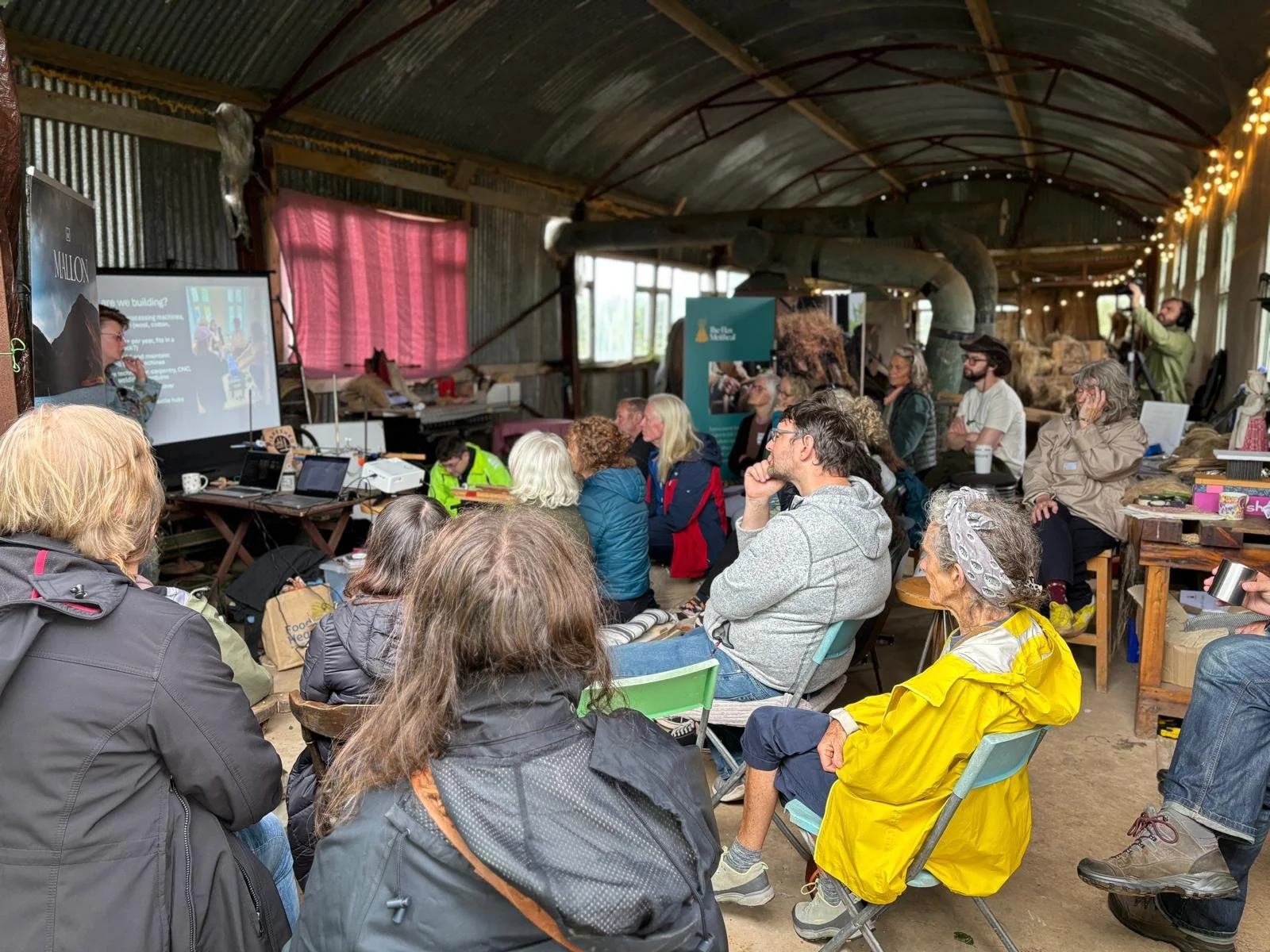
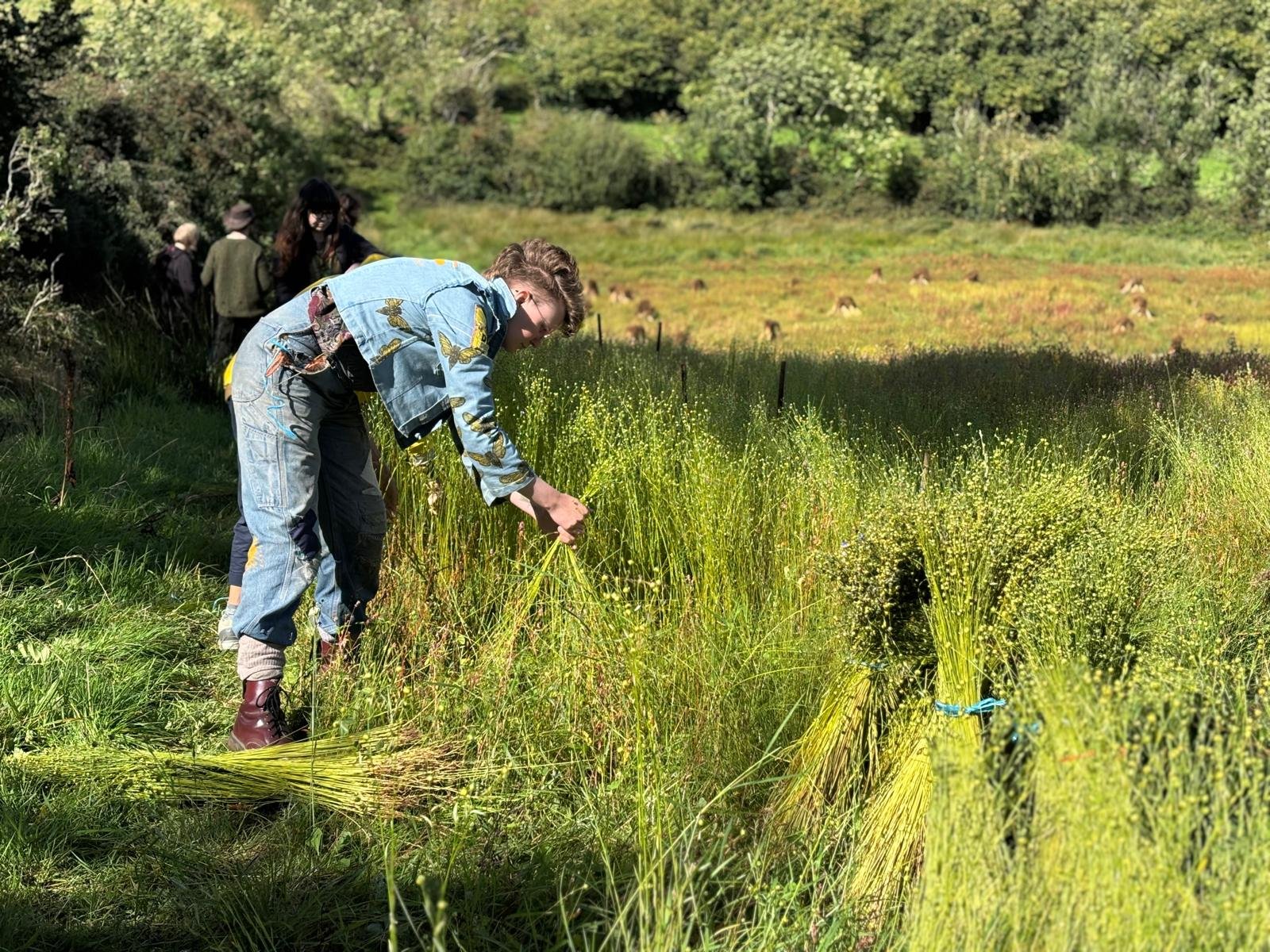
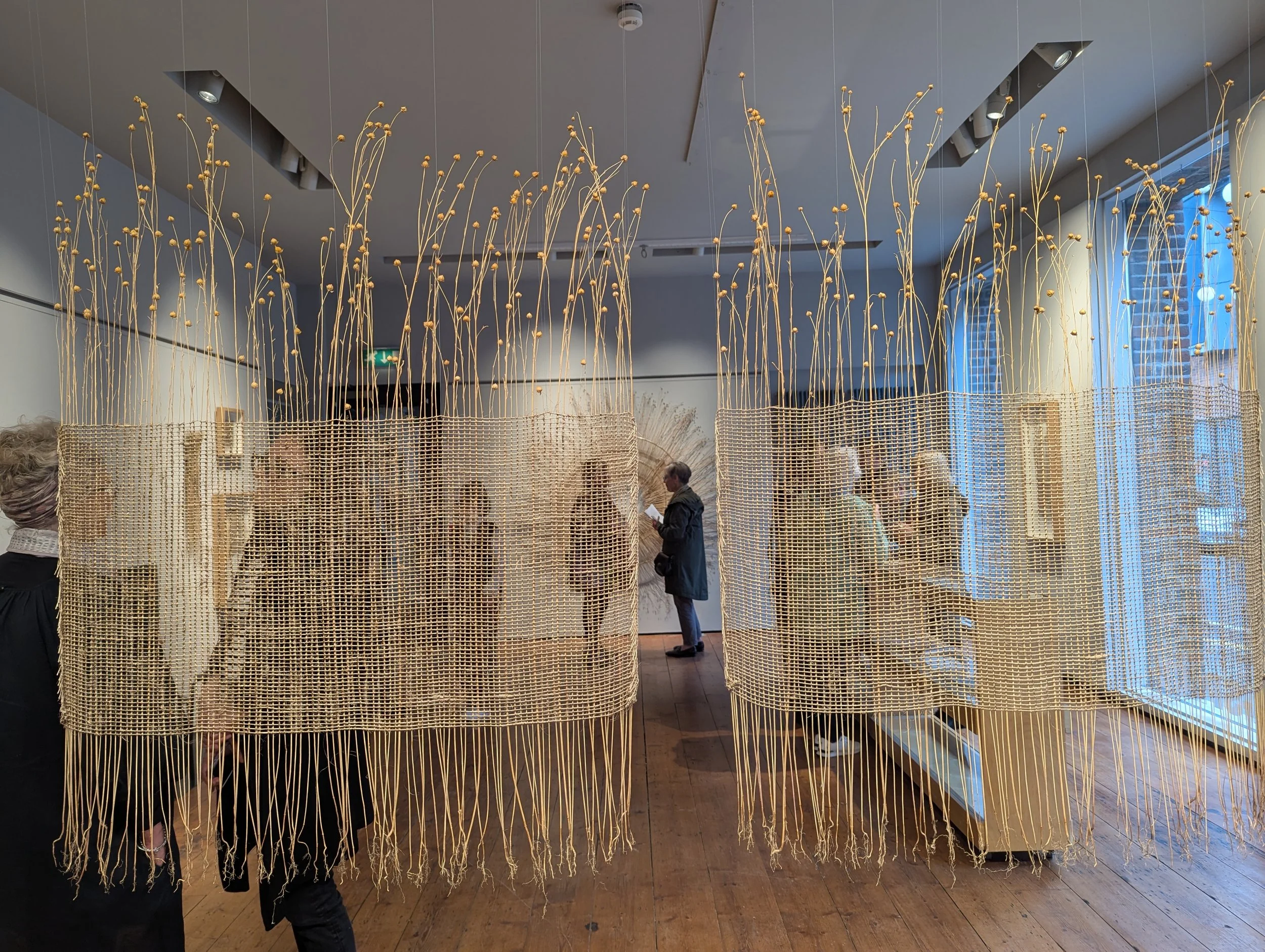
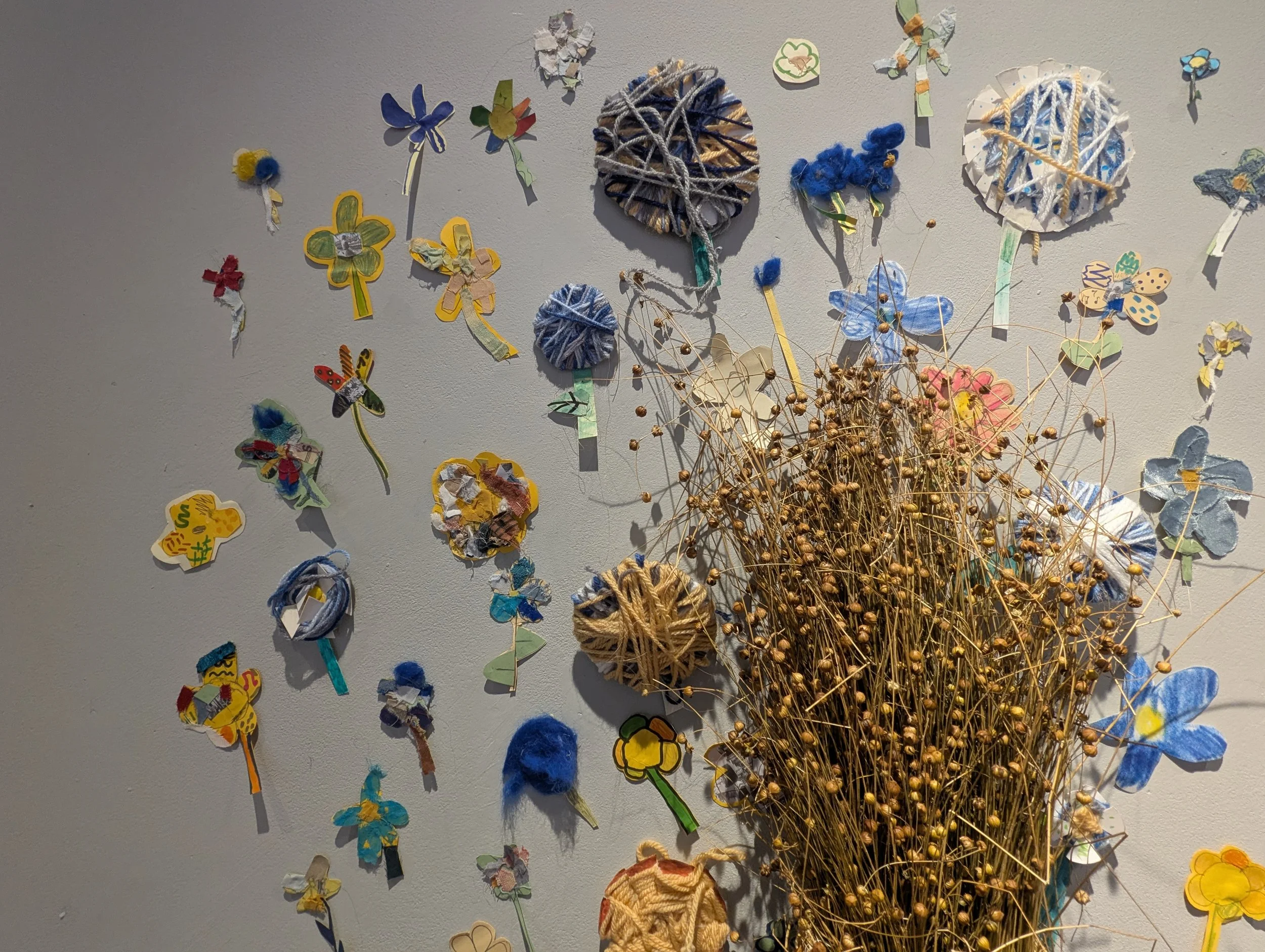
Across a ten-week period, Linen Biennale 2025 included 12 public-facing events, delivered in partnership with over a dozen organisations. Activities ranged from exhibitions and workshops to talks, tours, screenings and heritage-led events, involving approximately 80 artists, facilitators and contributors.
While smaller in scale than previous editions, the programme reached an estimated 1,500 people across multiple communities through its spread of locations, partnerships and formats.
Under the Regroup & React theme, the programme explored:
Contemporary responses to linen and flax
Craft, sustainability, reuse and making
The ways heritage knowledge can inform creative futures
Crucially, the 2025 edition built on relationships developed through earlier Biennales, reinforcing a sense of shared ownership and collective effort.
What Partners Told Us
Following the programme, we invited partners and contributors to share feedback and reflections. Responses highlighted several consistent themes.
Partners most valued:
Opportunities to showcase work and reach new audiences
Meaningful conversations with like-minded creatives
Being part of a supportive community centred on linen heritage
The quality and care of curation, particularly given limited resources
Many also spoke about the personal and cultural significance of working with linen, including connections to local, familial and ancestral histories.
Almost all respondents felt the Linen Biennale remains worth continuing, while recognising the need for greater resourcing and realistic planning. Suggestions for the future included stronger promotion, deeper partnerships, more opportunities for artists and makers, and improved accessibility for those based outside Northern Ireland.
Key Reflections
Feedback confirms that the Linen Biennale remains valued, credible and relevant, even within a constrained delivery context. The 2025 edition demonstrated resilience, adaptability and continued goodwill from partners and participants.
At the same time, it also highlighted the realities of delivering a programme of this nature with limited time and resources. Clear communication, realistic timelines, visibility for artists’ work and sustainable planning were recurring themes in partner reflections.
There was also a shared understanding of the care, labour and commitment required to make a programme like this possible — and an appreciation of the collaborative effort involved.
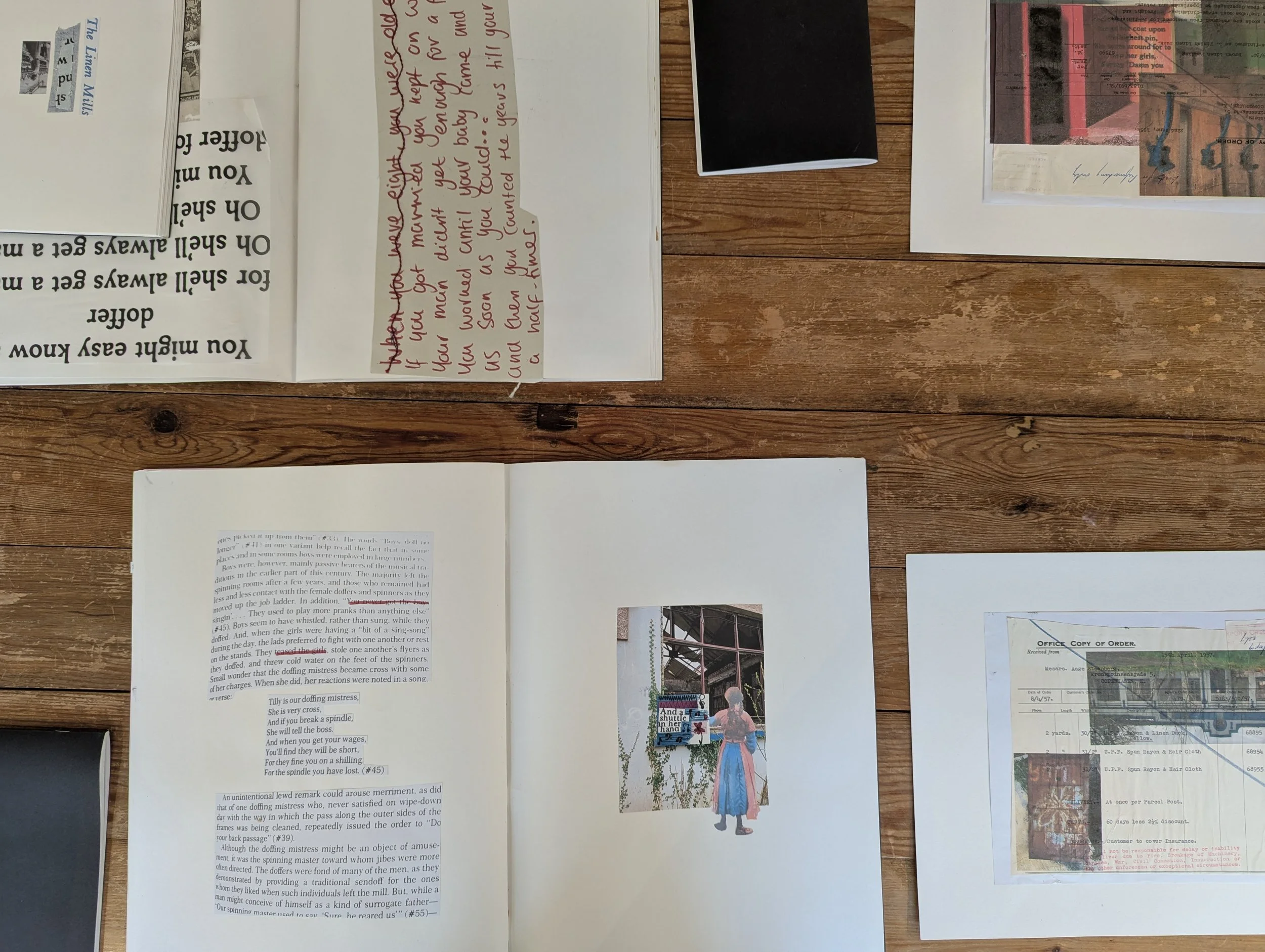
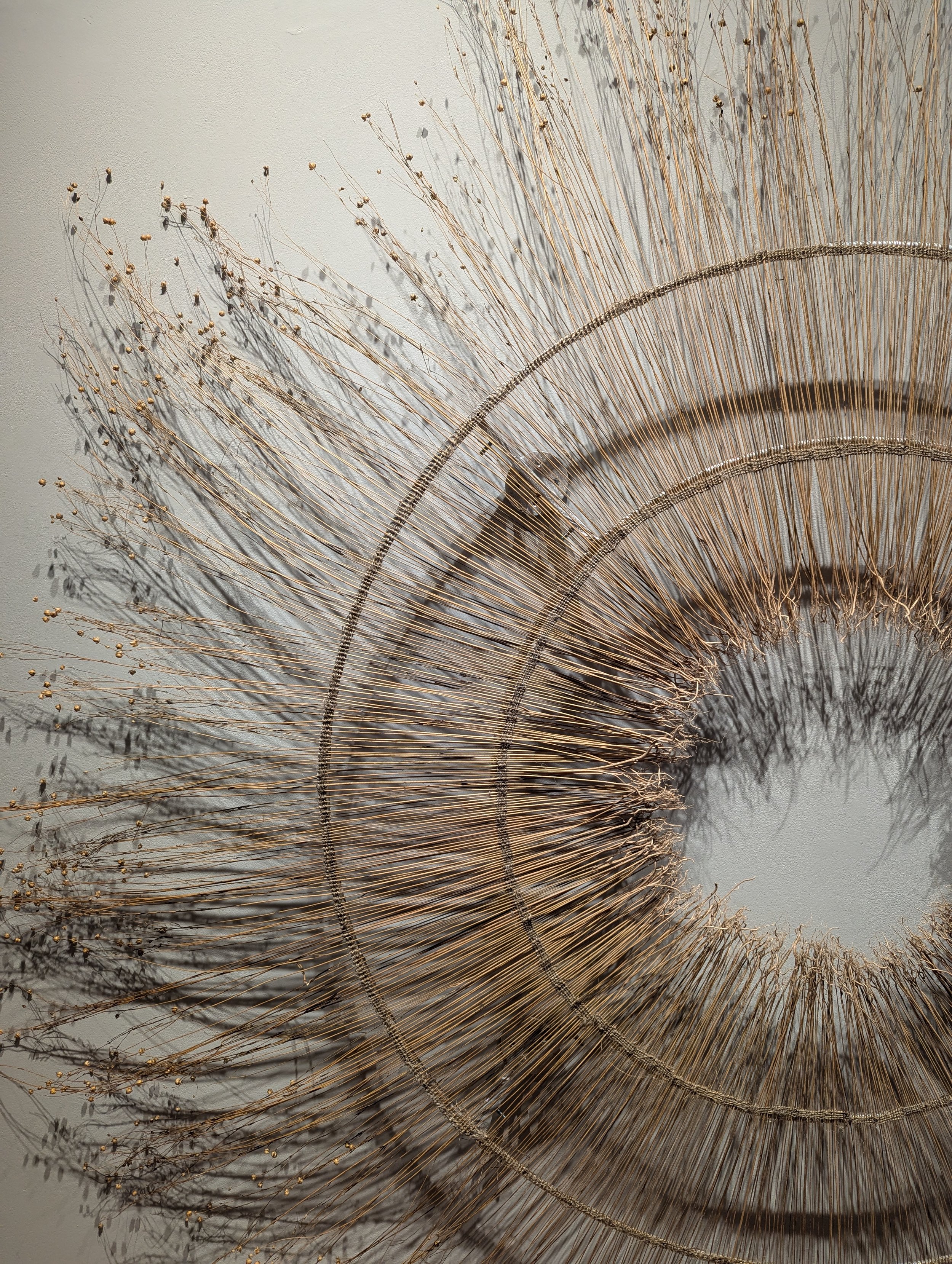
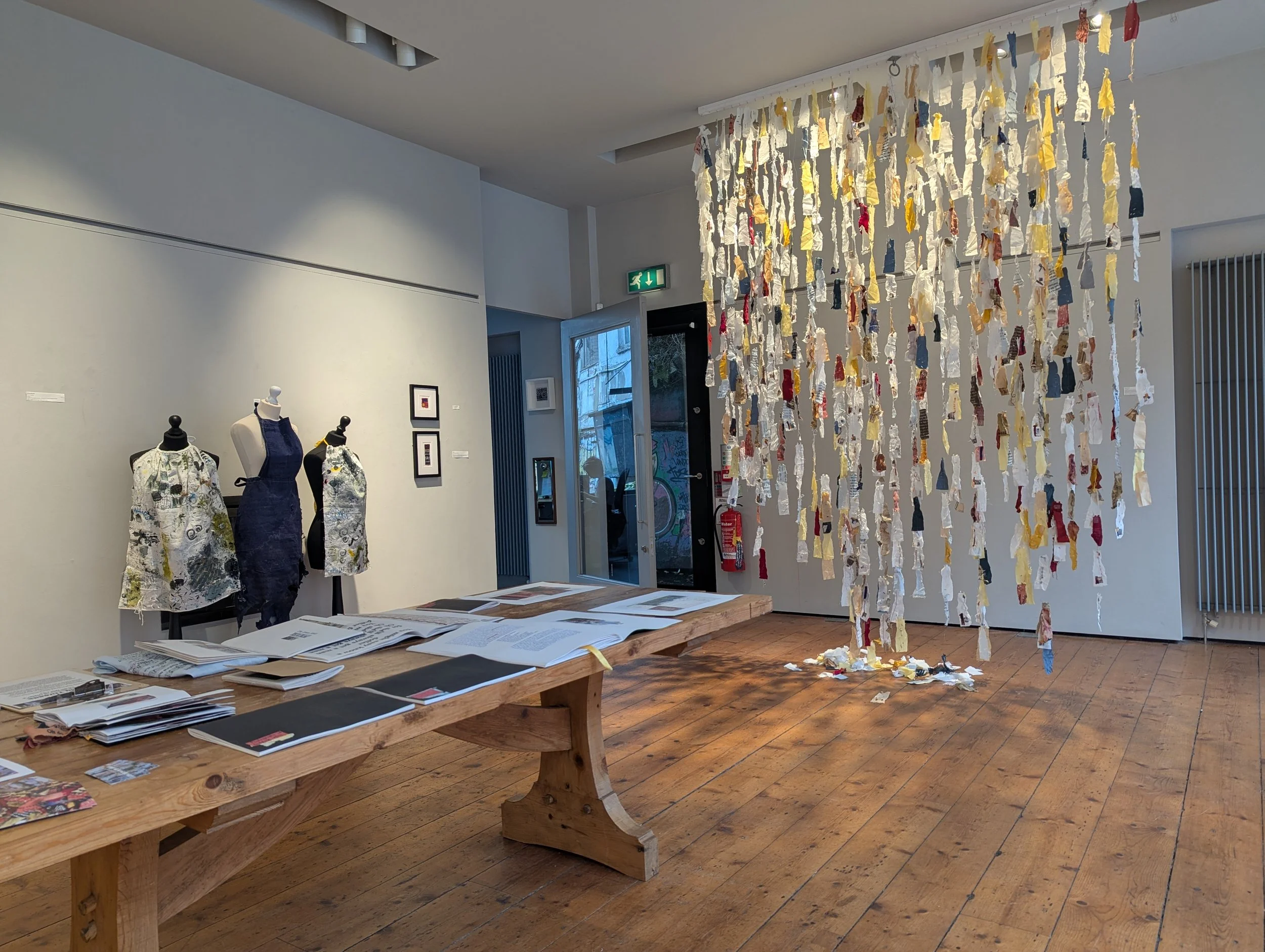
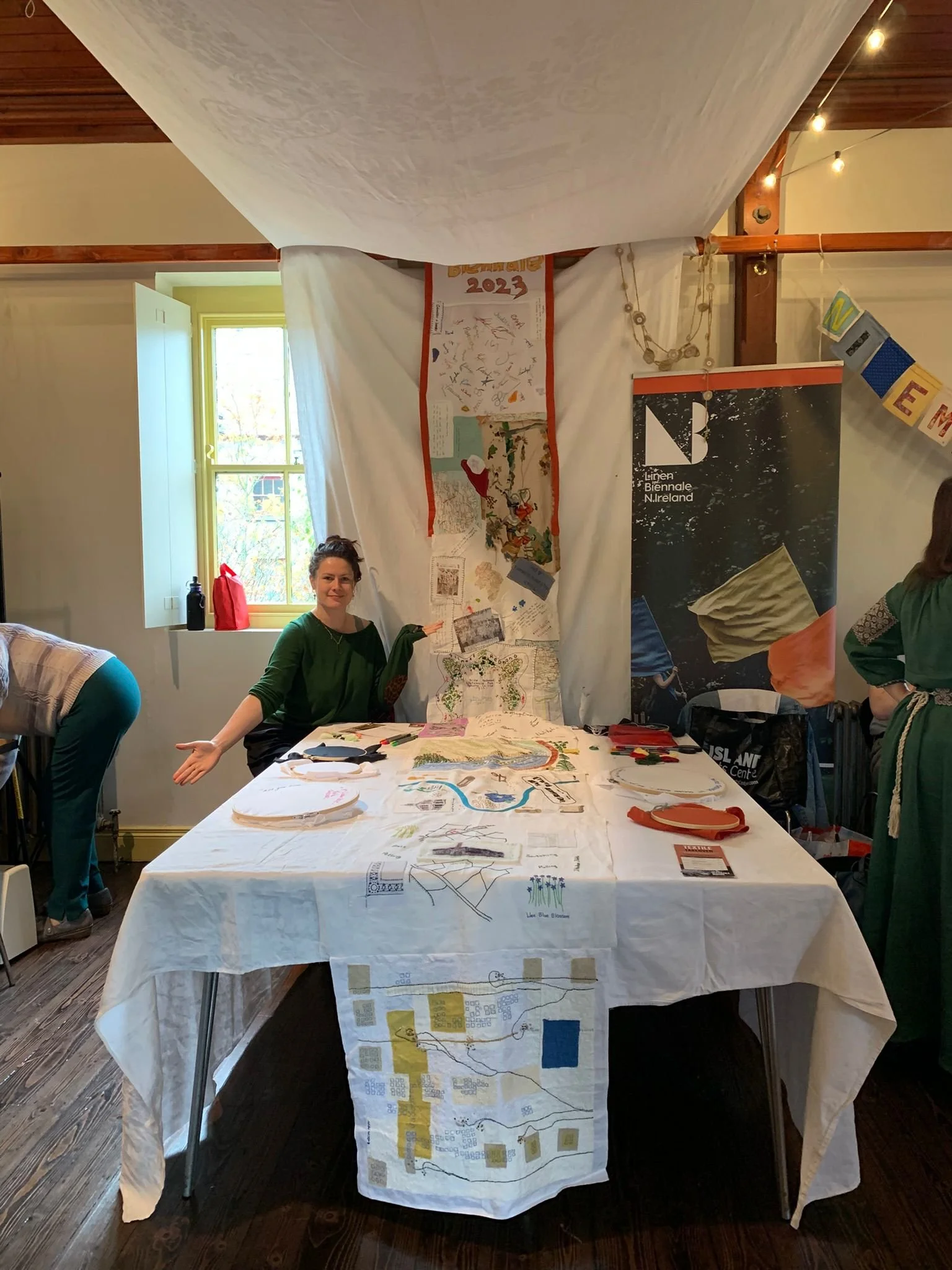
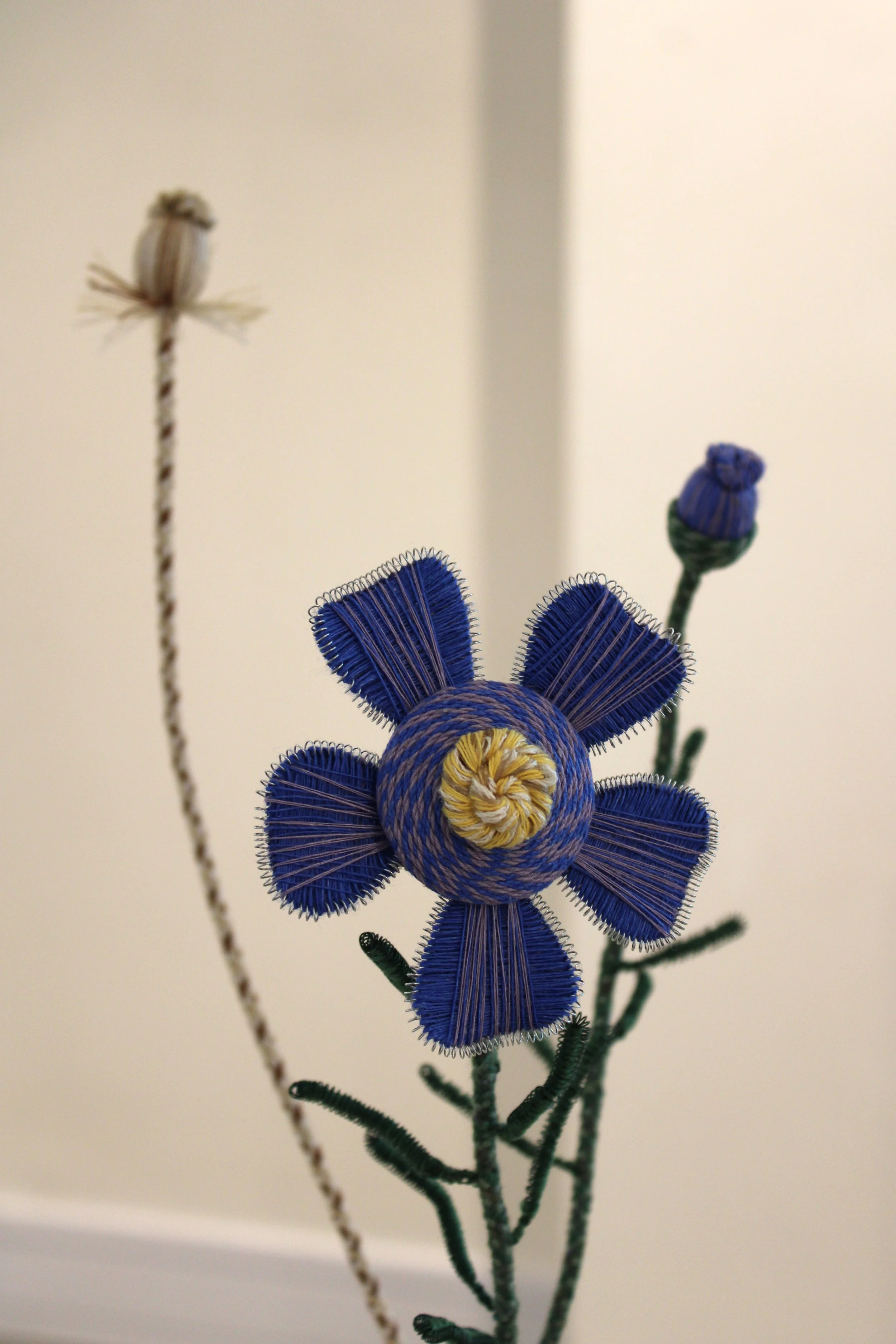
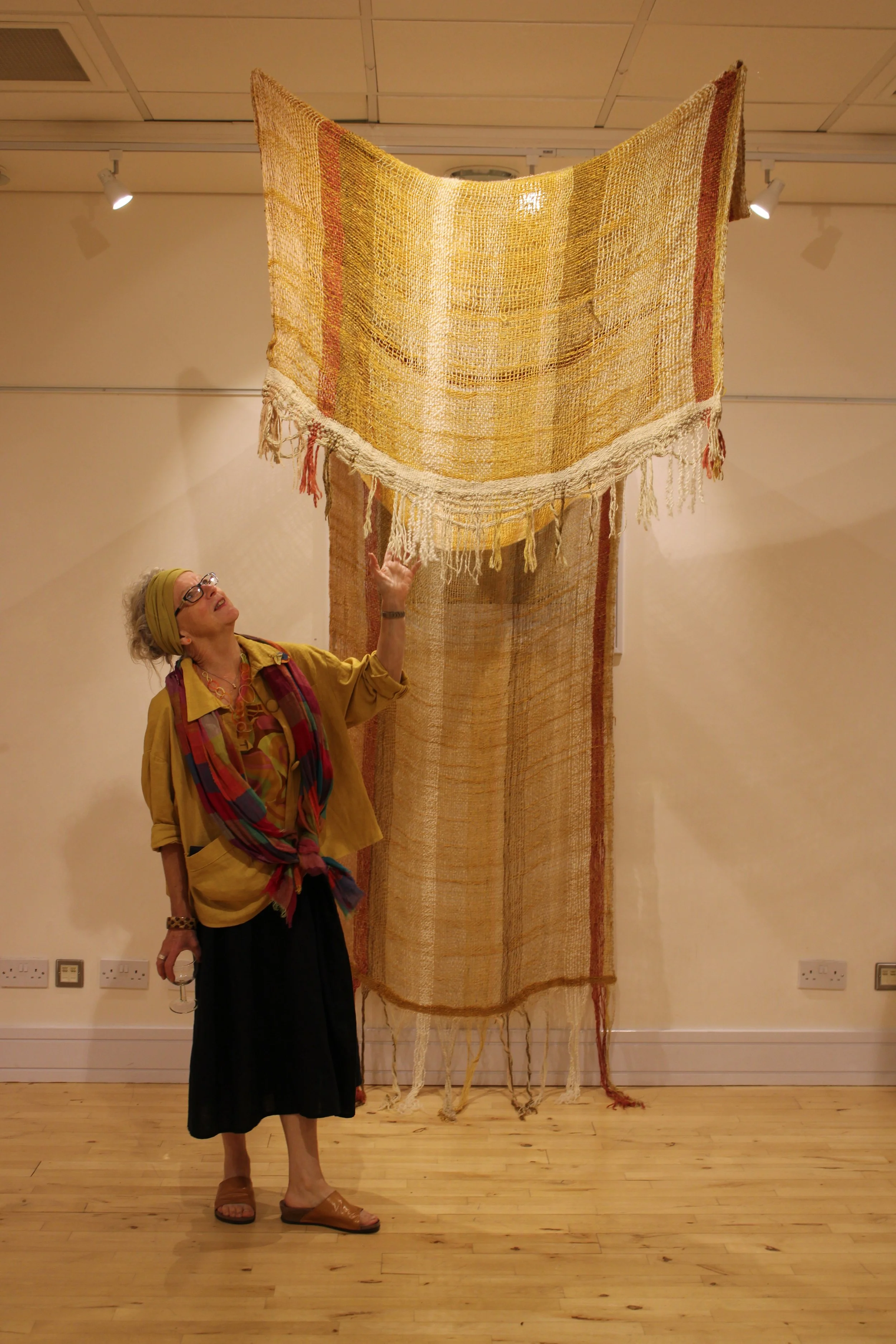
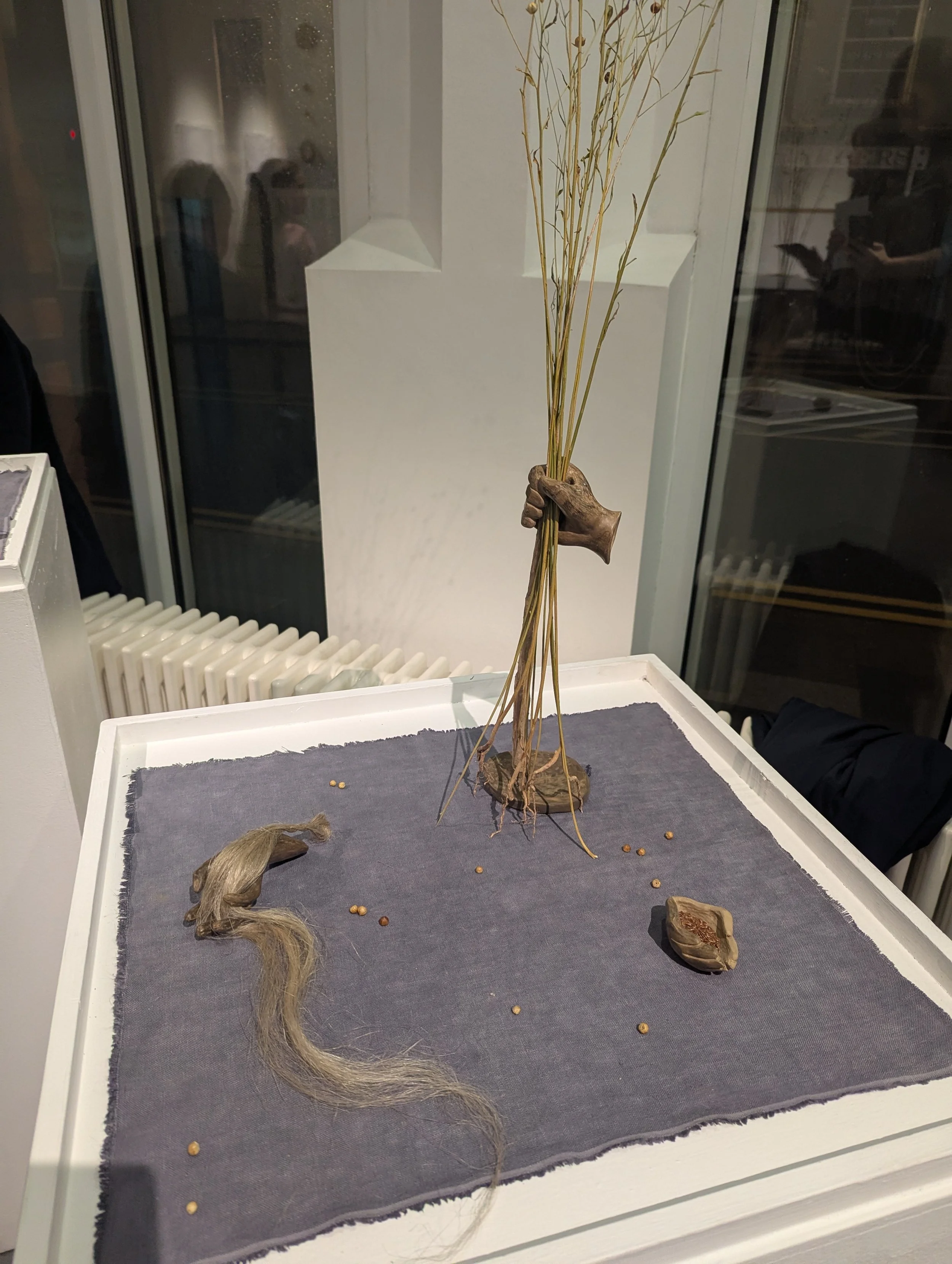
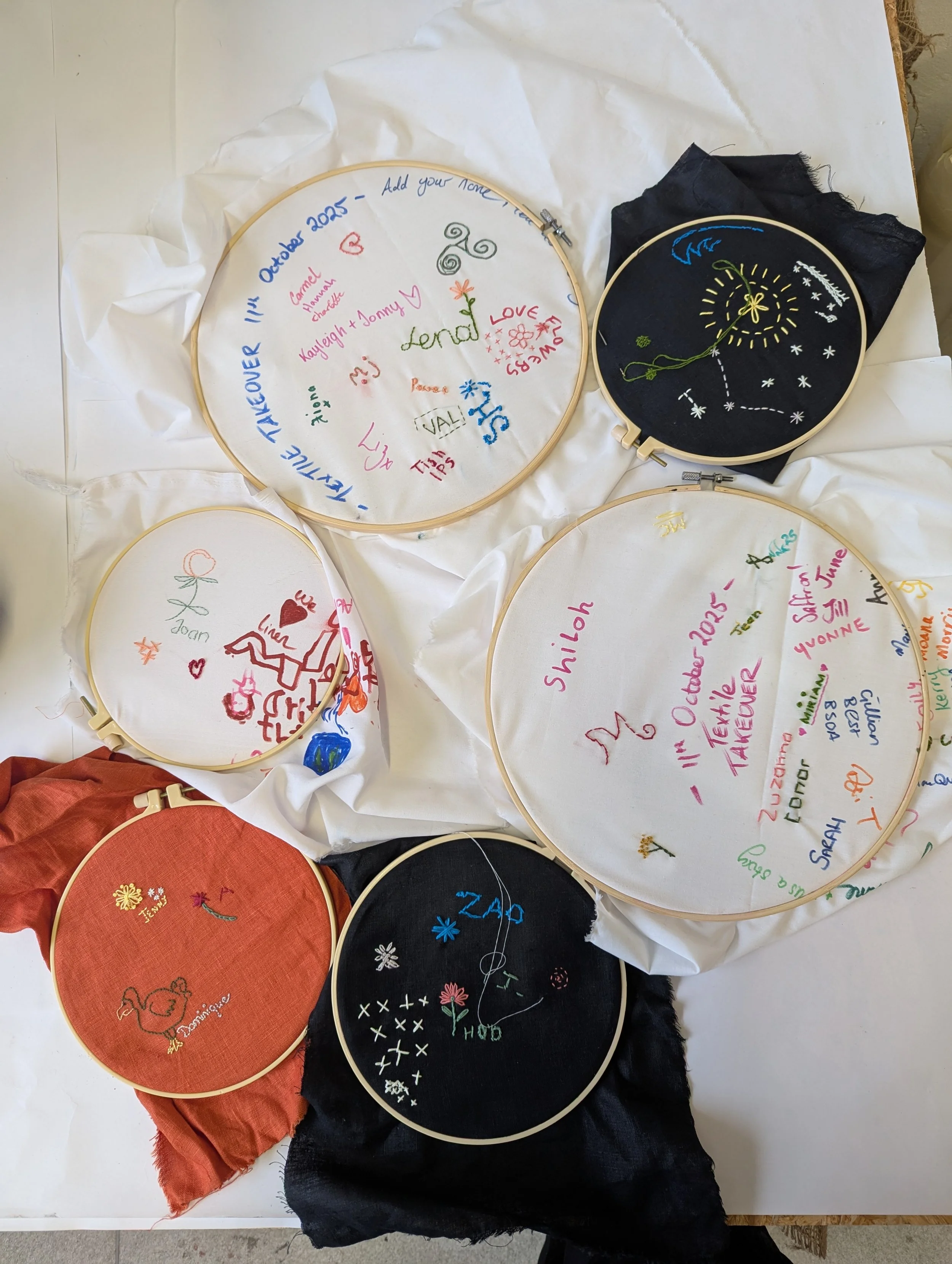
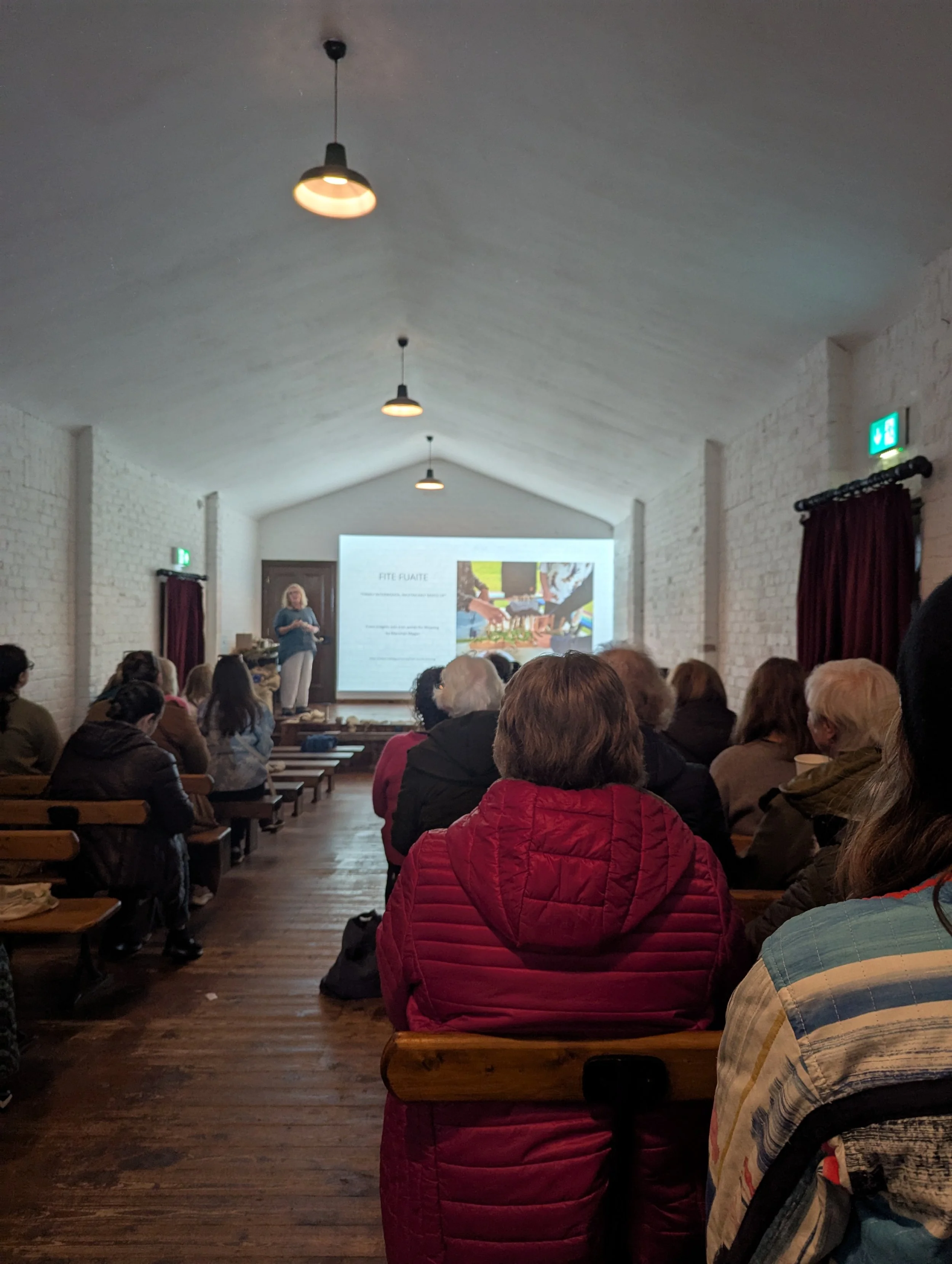
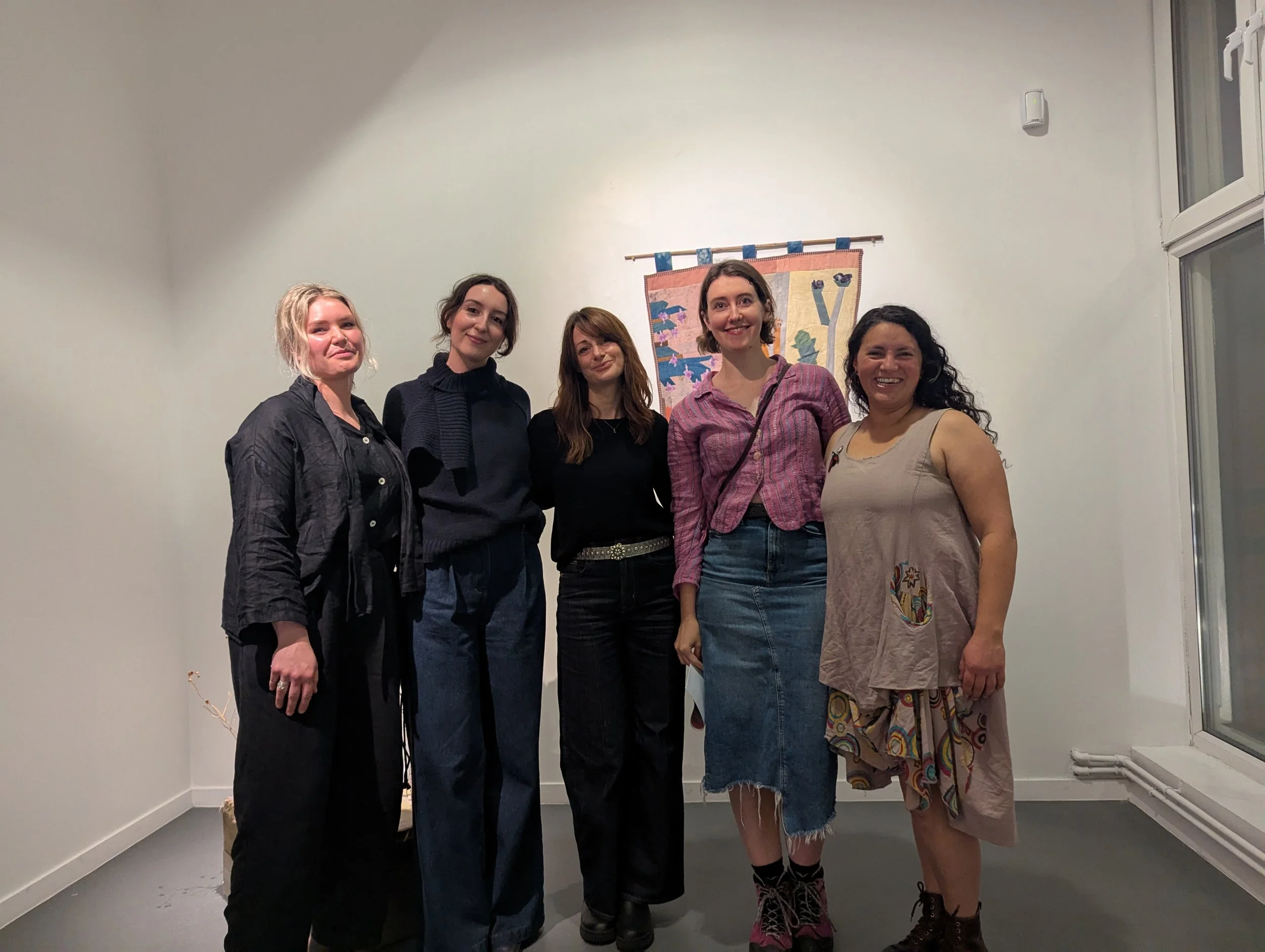
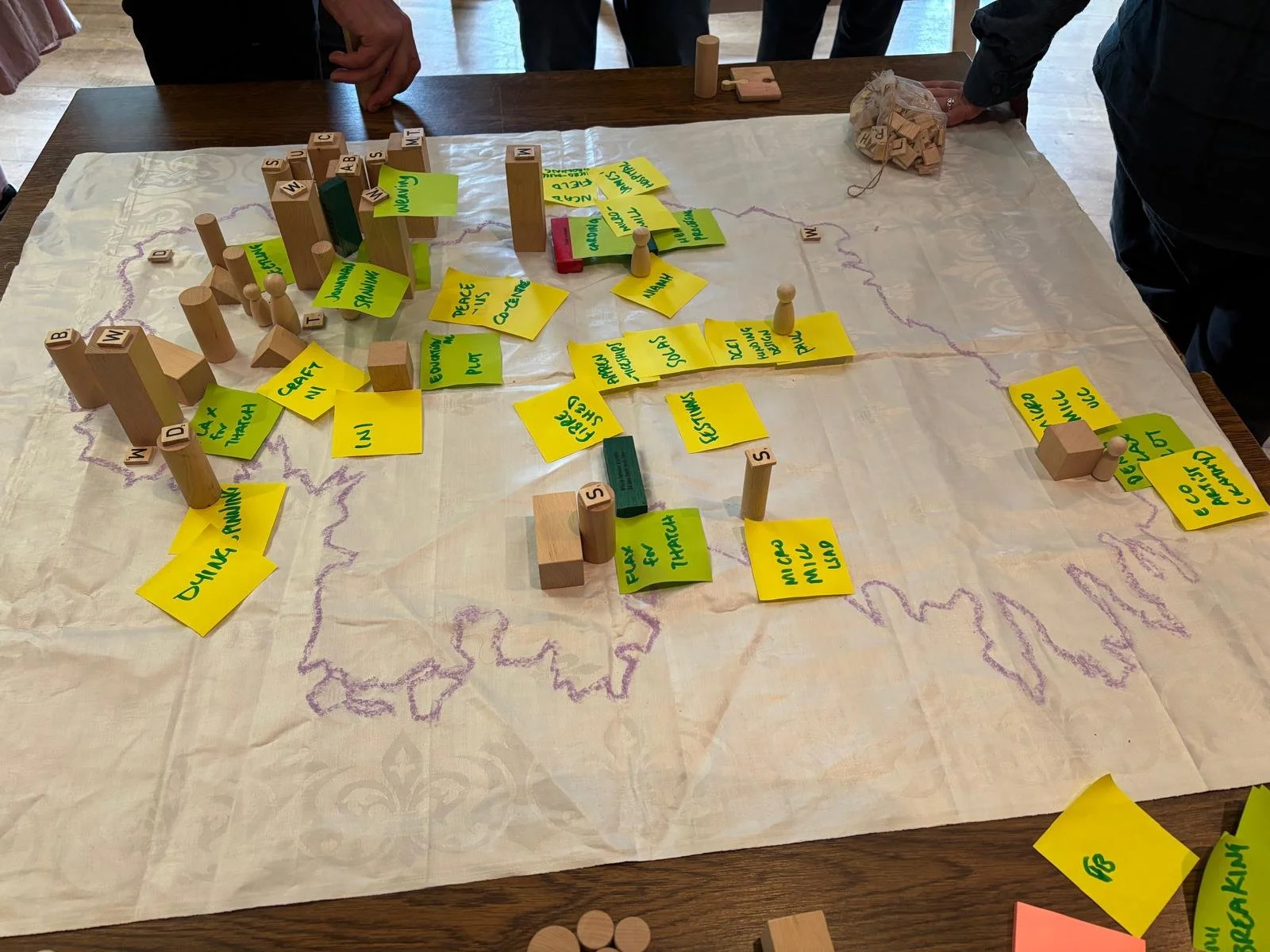
… Some snaps
Looking Ahead
The feedback gathered reflects a strong sense of goodwill and continued interest in the future of the Linen Biennale. Contributors expressed enthusiasm for its continuation, alongside a clear recognition that sustainability must be at the centre of any future planning.
Linen Biennale 2025 showed that even a small, partnership-led edition can hold space for meaningful engagement with linen heritage. However, the current delivery model is not sustainable in the long term. Any future iteration of the Biennale will need to be shaped by reflection, organisational planning and realistic resourcing.
R-Space Gallery will now take time to reflect on the learning from 2025 as part of broader organisational thinking. Any next steps will be guided by a commitment to clarity, care and sustainability.
With Thanks
Above all, Linen Biennale 2025 was made possible by the artists, partners, venues and contributors who believed in the value of maintaining this platform — even in a challenging year. We extend heartfelt thanks to everyone who took part and helped keep the conversation around linen, heritage and contemporary practice alive.
📄 You can read the full Linen Biennale 2025 Public Report, including a complete programme overview, here